What I do best
Tools
Frontend
Frameworks & Build Tools
BackEnd & DevOps
Productivity
Process
TypeScript as a safety net, from prototype to production
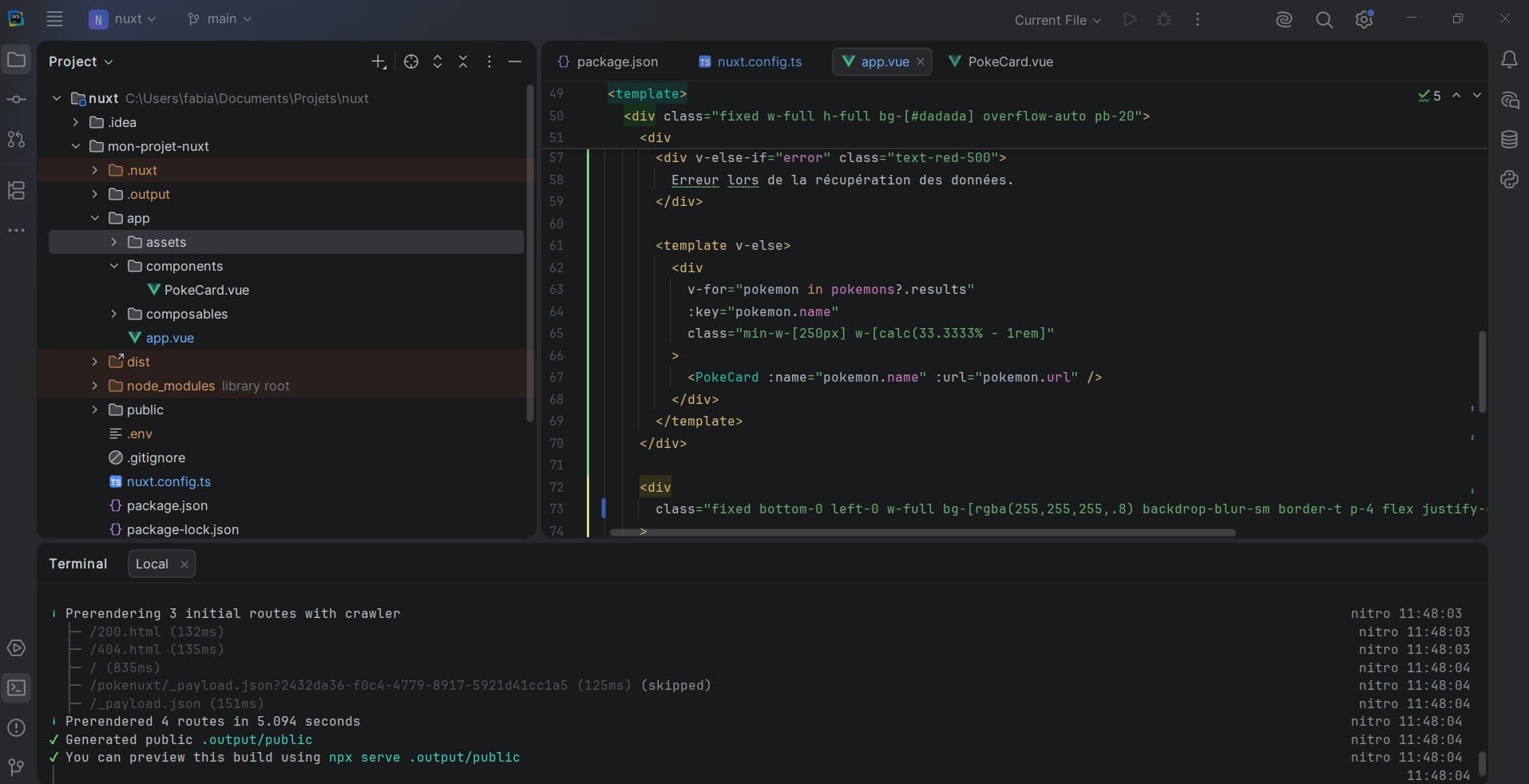
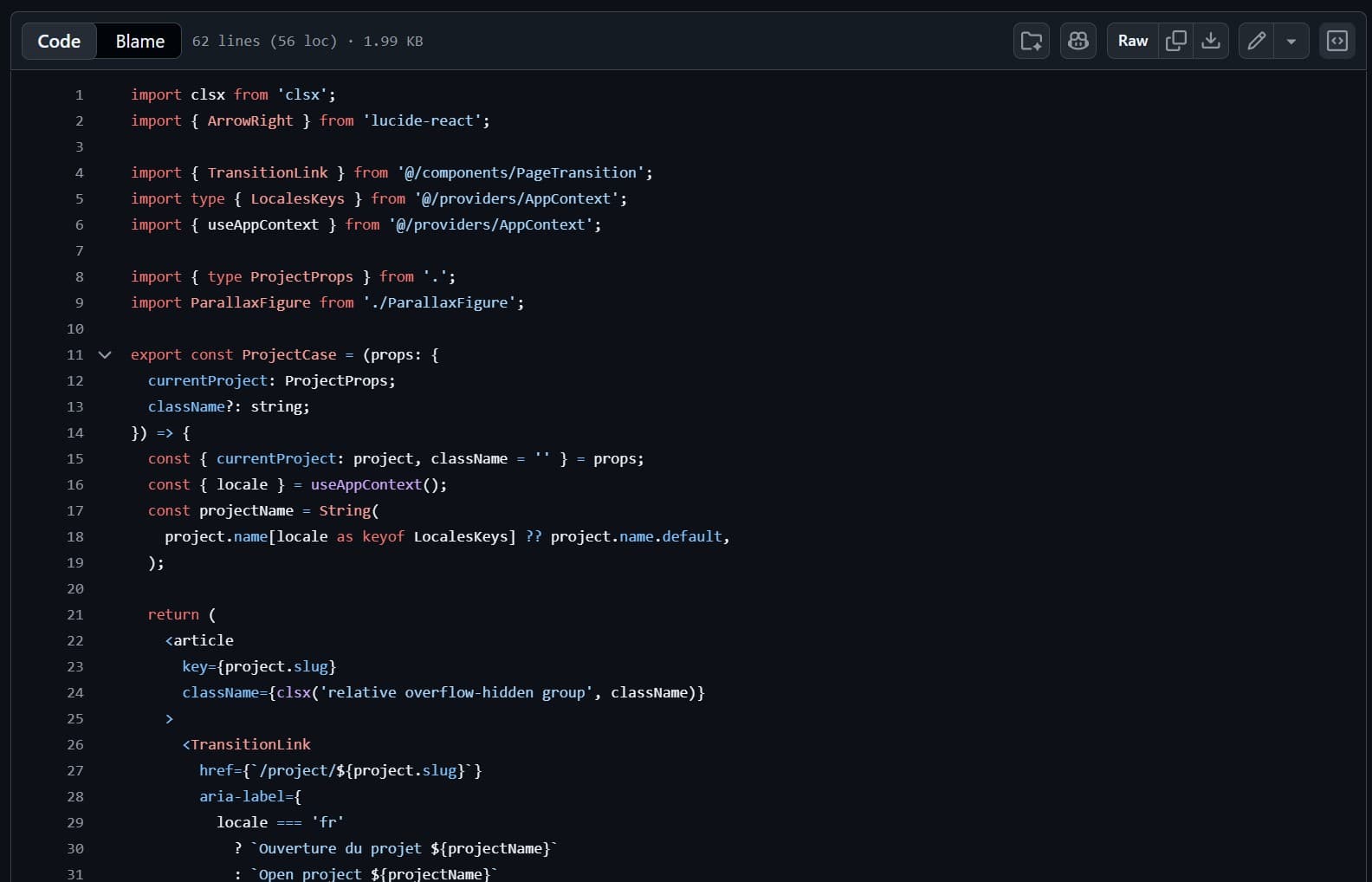
I harness the power of modern frameworks — React with Next.js or Vue.js with Nuxt — to transform simple websites into truly robust, fluid, and high-performance applications through the design of structures built on reusable components. This approach guarantees clean code, simplified maintenance, and maximum execution speed.
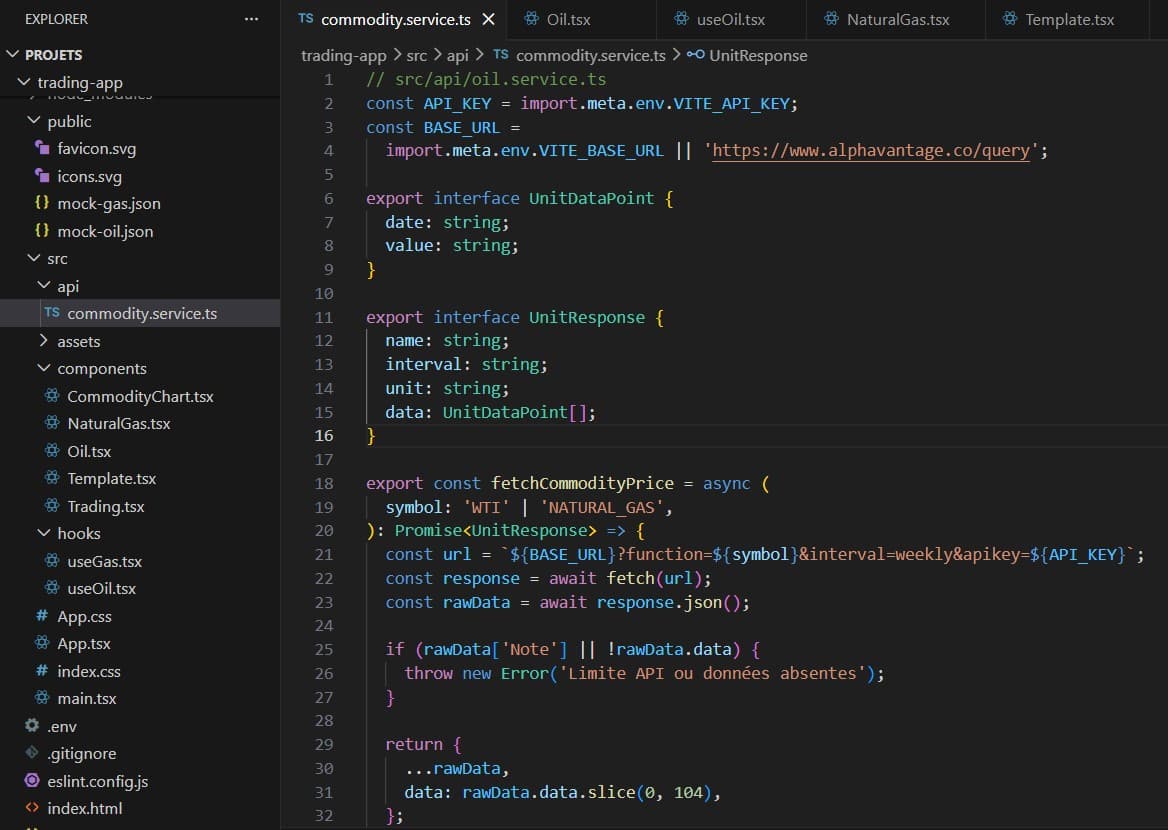
Whether for mobile web applications (PWAs) or complex dashboards, I use TypeScript as a safeguard to secure the code during development, eliminating potential errors early in the process.
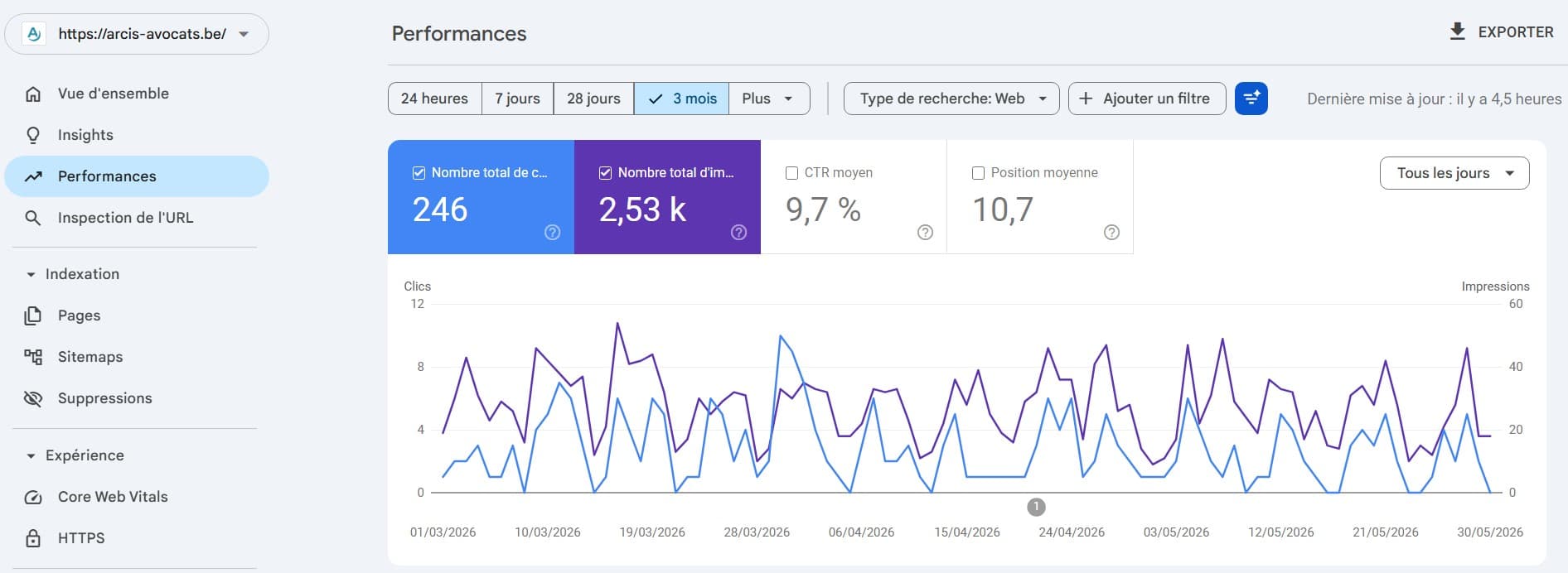
Position 10.7 on Google for a real client
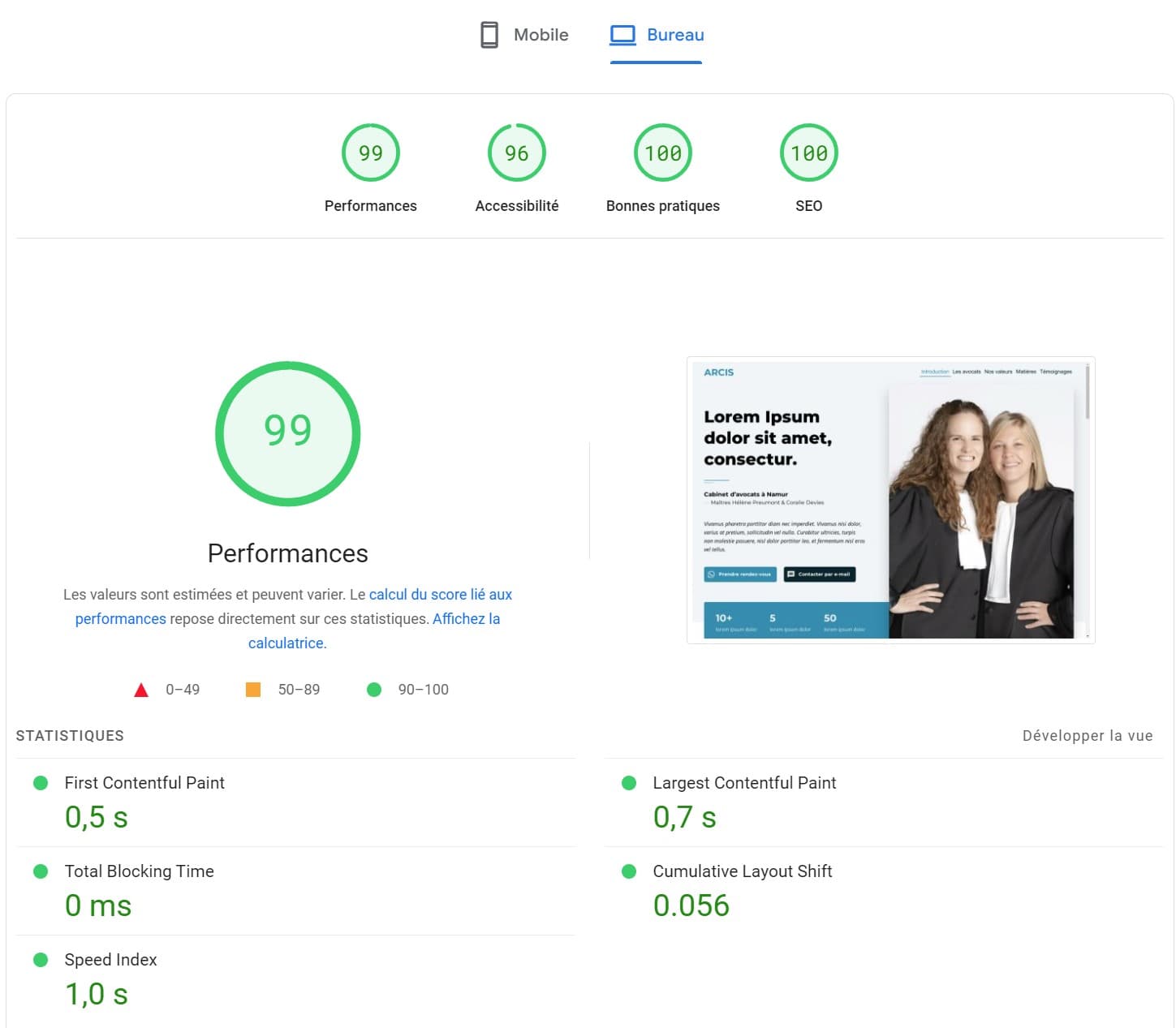
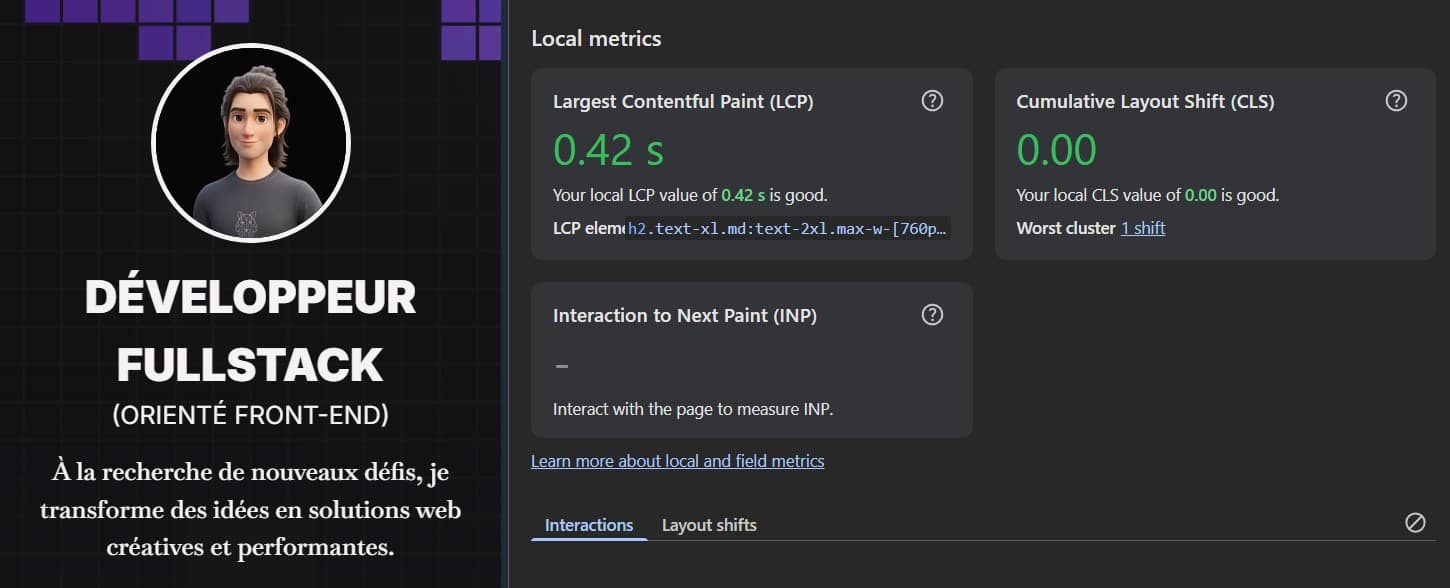
I prioritize Core Web Vitals (LCP, CLS, INP) from the design phase to maximize performance, accessibility, and SEO. This enables me to build high-performance solutions that consistently attract qualified traffic.
My recent work for a law firm demonstrates my approach to the effectiveness of the solutions I provide: through rigorous optimization, the site achieved an average position of 10.7 on Google with a remarkable click-through rate (CTR) of 9.7% over the last three months. In this way, I create high-performance solutions that attract qualified traffic.
From commit to production, without friction
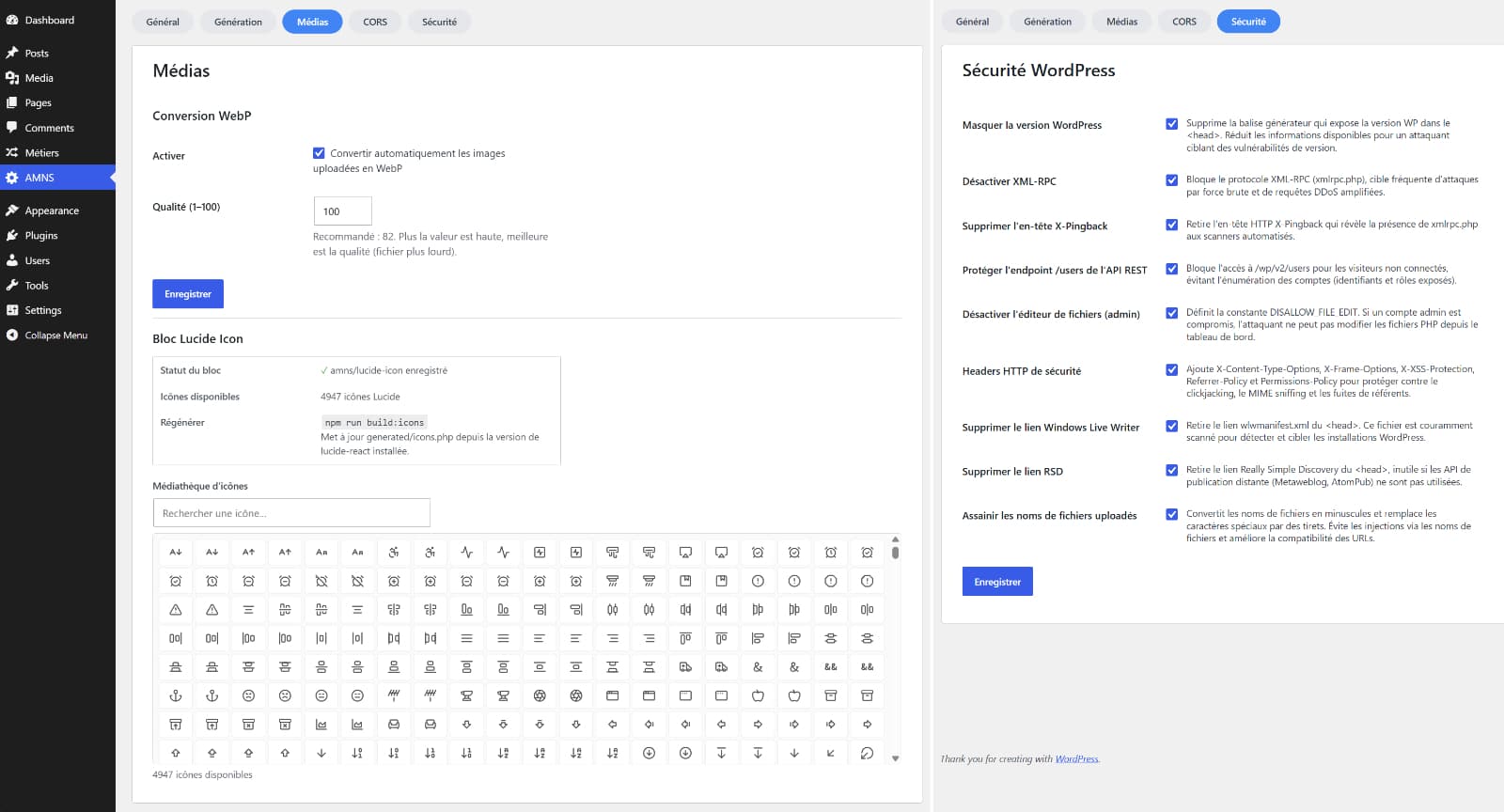
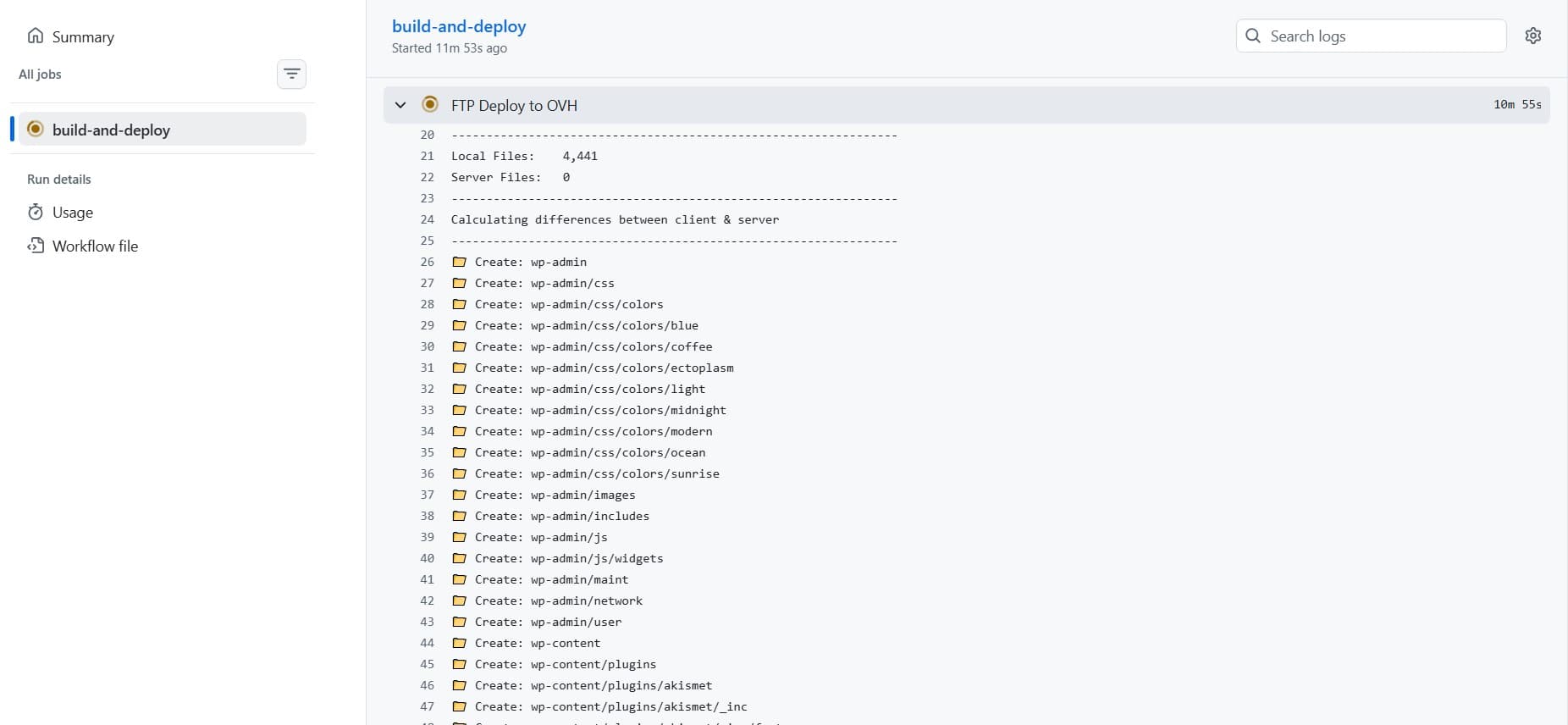
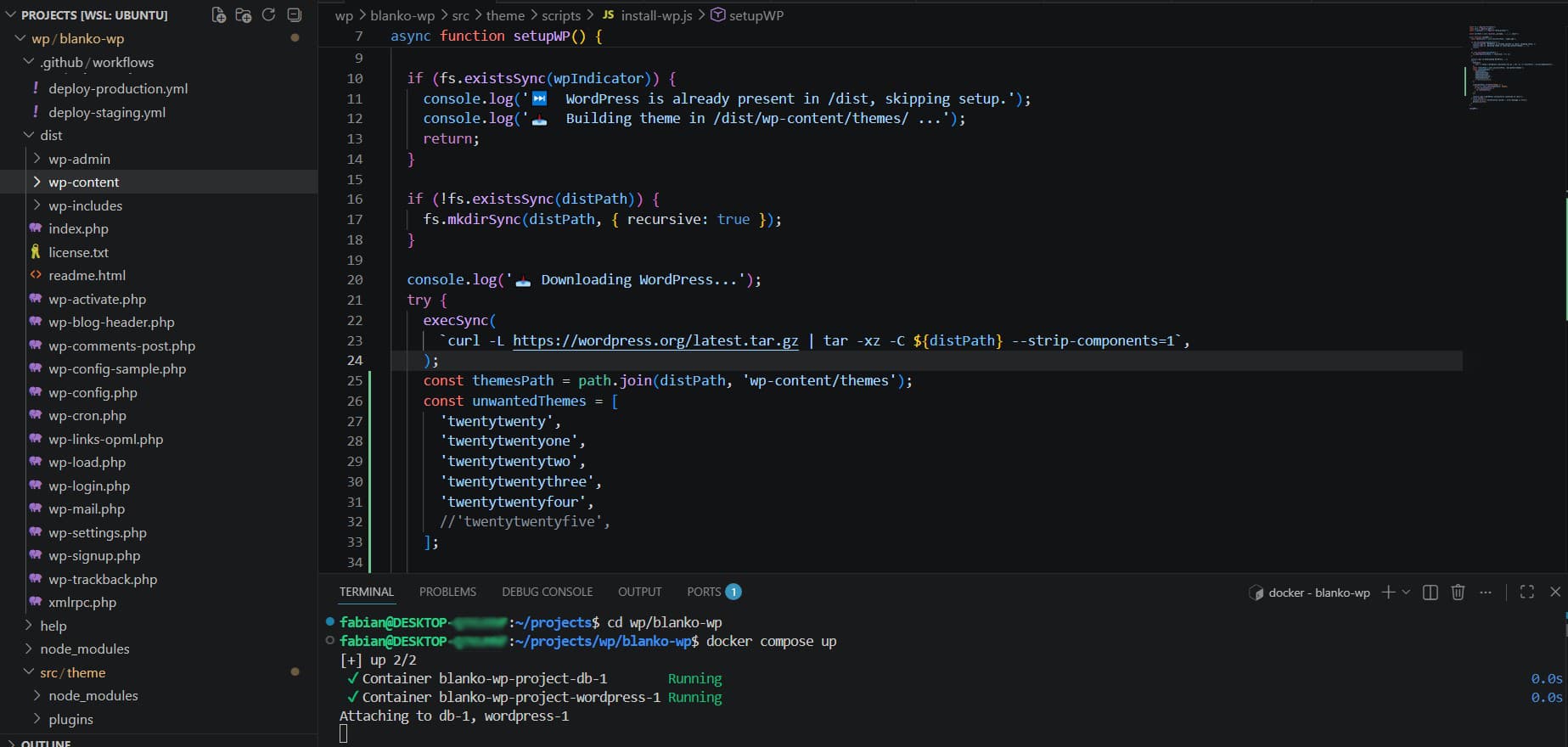
I systematically use Git for version control across all projects. My deployment strategy is tailored to each specific architecture: for Next.js applications, I prioritize the Vercel ecosystem for seamless updates. For WordPress projects, I favor a containerized approach using Docker, combined with GitHub Actions. This CI/CD workflow automates the entire process, including server-side WordPress installation, dependency management, and the deployment of an optimized, minified theme compiled directly from the source code.
Development augmented by AI, never dictated by it
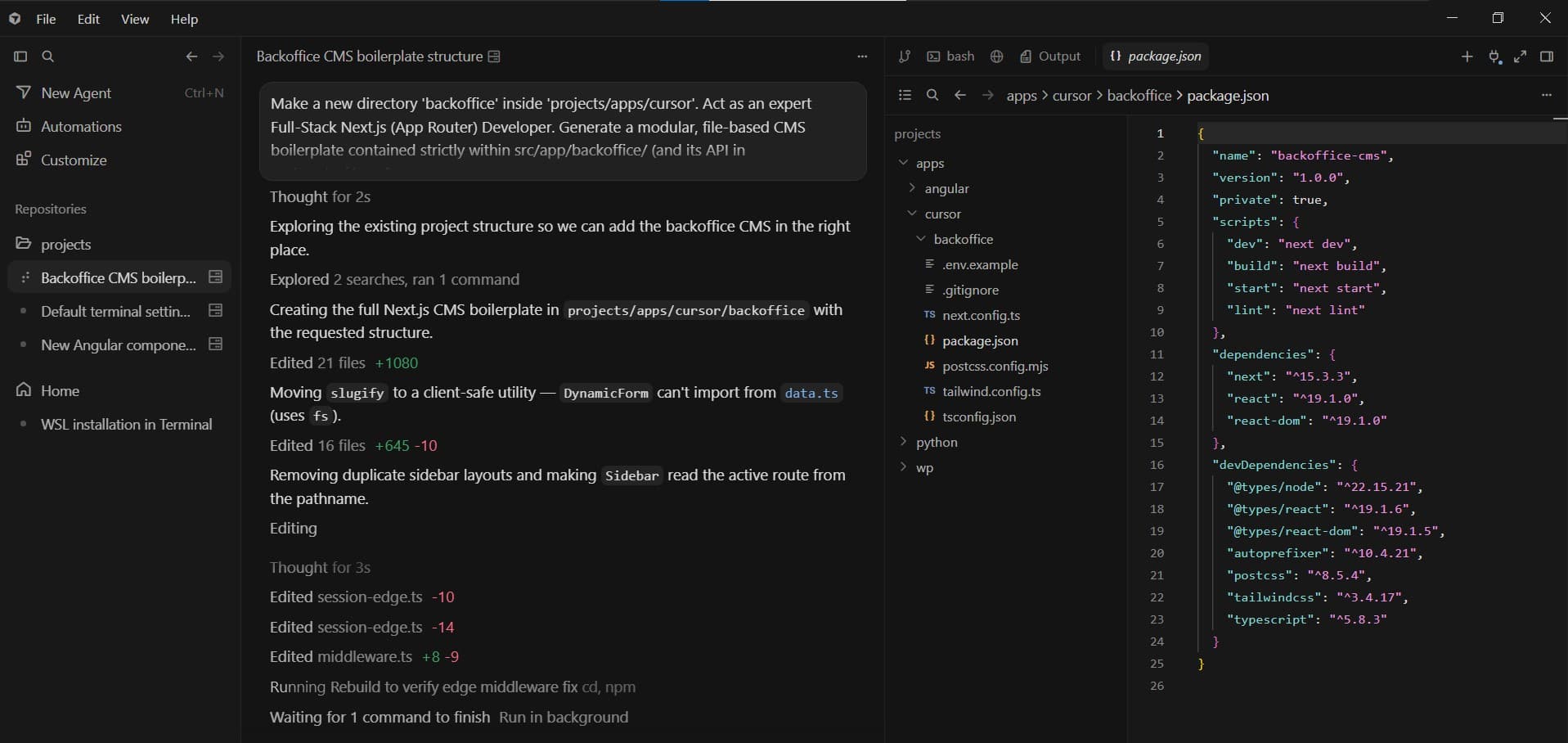
The digital landscape is rapidly evolving toward the integration of artificial intelligence. To meet the demands of this shifting ecosystem, I have placed AI at the core of my development workflow, utilizing tools such as Cursor, Claude, and Copilot.
More than mere assistance, I gradually employ an augmented development approach that significantly accelerates prototyping and architectural design. My expertise lies in orchestrating these tools through rigorous 'prompt engineering,' while maintaining constant human oversight: every line of generated code is systematically validated and optimized. This methodology ensures robust technical foundations and immediate agility for every project.
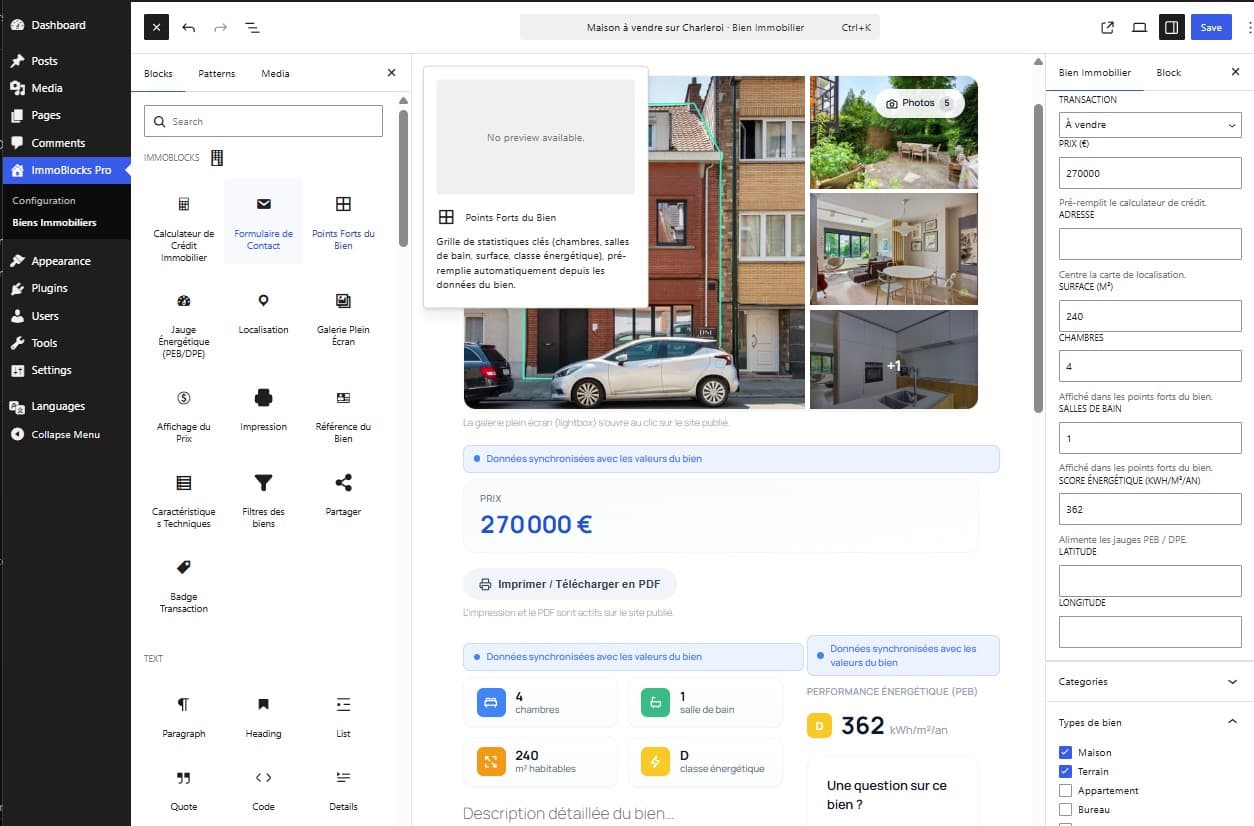
WordPress, the haute couture way
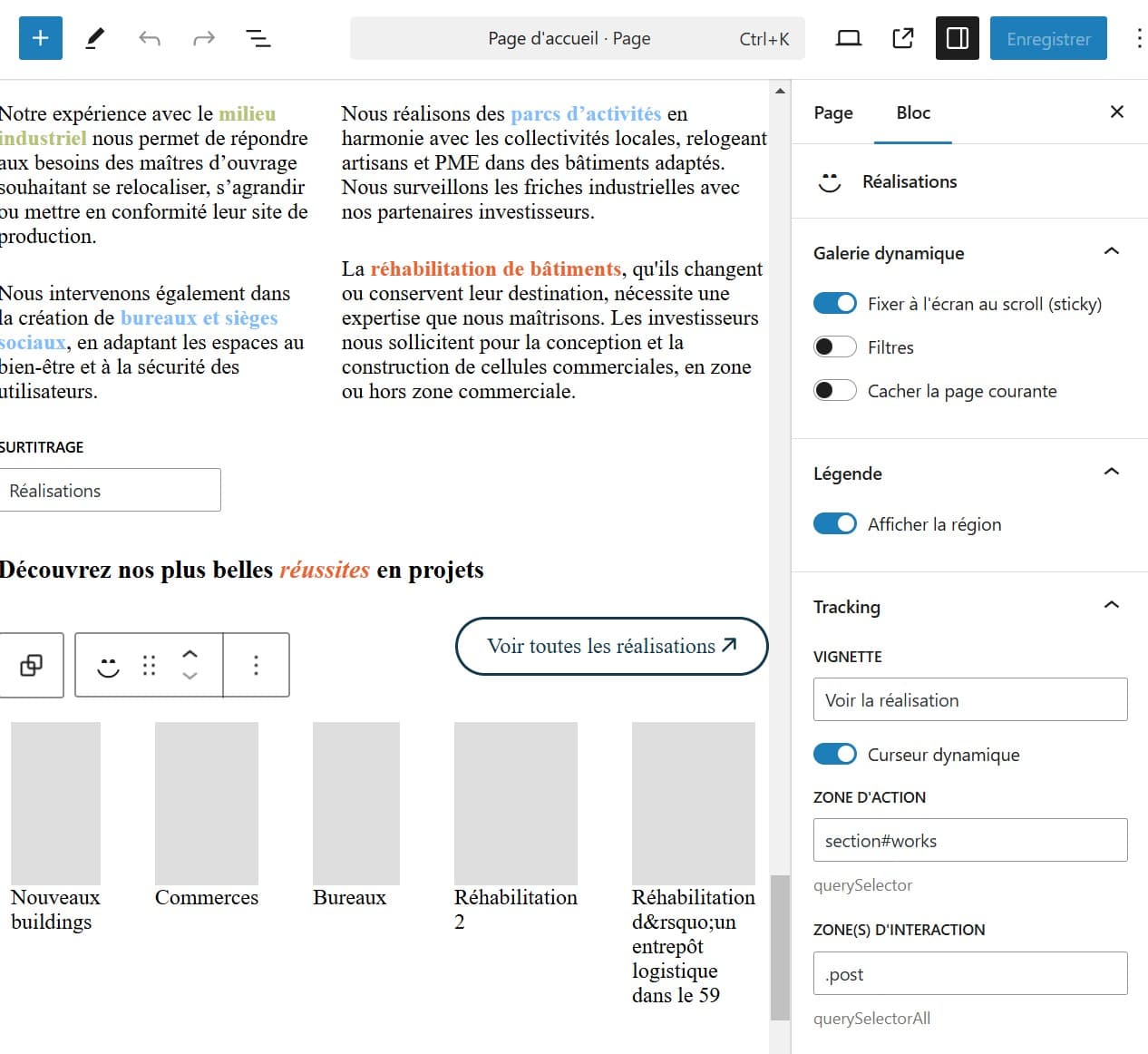
To build modern, robust, and high-performance websites, I step away from generic page builders (Elementor, Divi) and legacy PHP-heavy themes in favor of a more modern architecture: developing custom Gutenberg blocks through an optimized build process.